Questions, answered
FAQ
What is detasseling, and why is it important?
Detasseling is the process of removing the tassel — the top part of the corn plant — from the female rows in a seed corn field. This ensures the female plants are only pollinated by the male rows, producing the desired hybrid seed. Detasseling plays a crucial role in producing high-quality hybrid seed corn. Full explainer here.
Where is Green Mile Detasseling located?
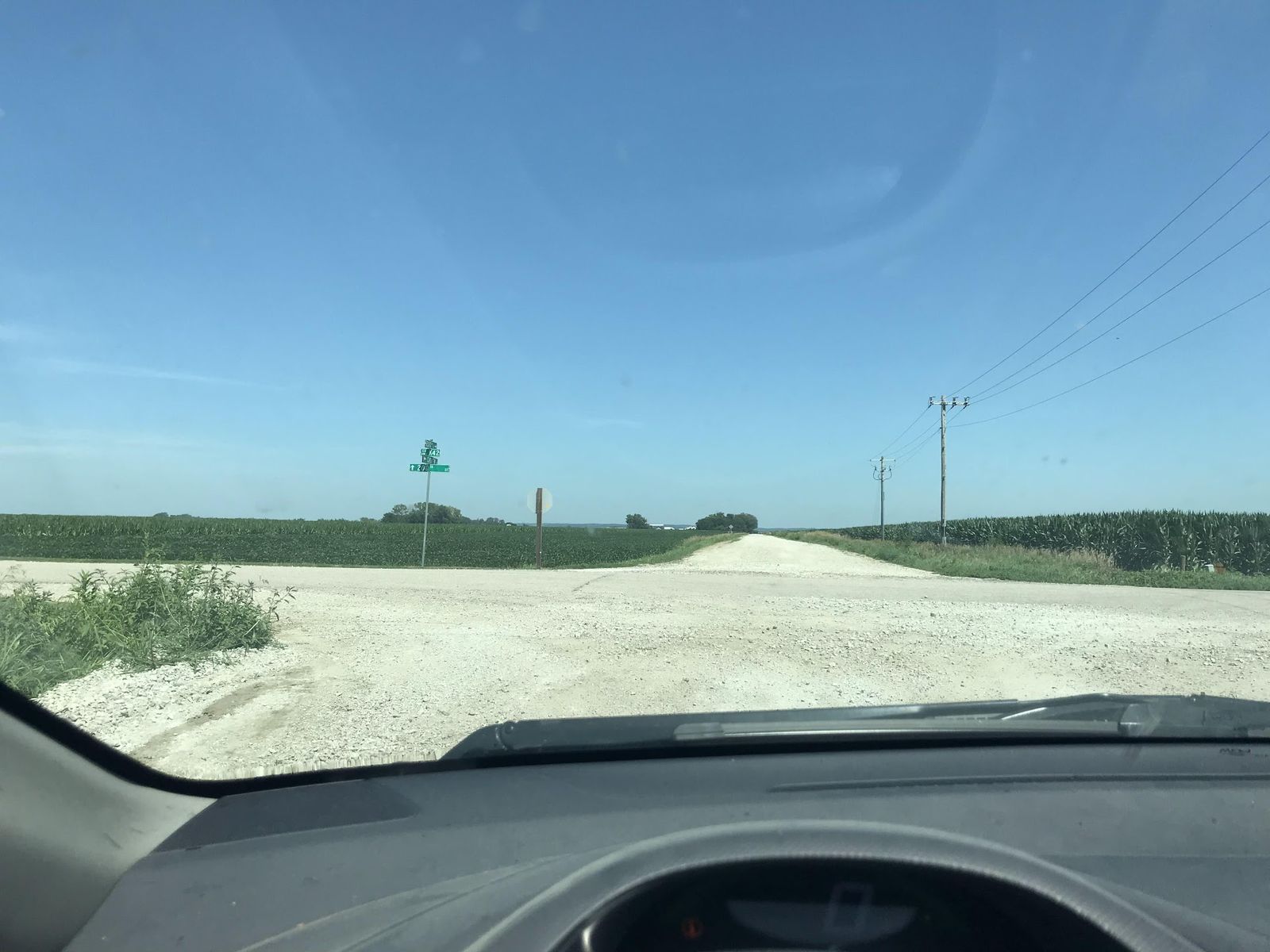
Our home ground has been the western corn belt — since 2021 the crew has worked seed corn fields in the Whiting and Onawa region of western Iowa, along the Missouri River valley. Each season's exact location depends on that year's contract and is announced to the crew when the season comes together.
What is the typical workday like for a detasseler?
A typical workday starts early, usually around 7:00 AM. Detasselers generally work on their own blocks, removing tassels from the female rows of corn. The workday lasts until the assigned fields are completed — anywhere from 8 to 10 hours, depending on the size of the fields and the crew's efficiency.
What are the physical requirements?
Detasseling is a physically demanding job that requires stamina, endurance, and the ability to work in hot and humid conditions. Detasselers should be prepared to walk long distances, stand for extended periods, and navigate through corn fields. A good level of physical fitness is essential.
Is experience necessary to join the crew?
No prior experience is required. We provide training and guidance to all new detasselers so they understand the process and can perform effectively. What we look for is a strong work ethic, dedication, and a willingness to learn.
What is the age requirement?
We hire adult detasselers. The minimum age is 18. Our adult crew brings a level of maturity, responsibility, and commitment to the job — it's one of the things that sets Green Mile apart.
How long does the season last?
The detasseling season typically runs from early to mid-July and lasts approximately 2 to 3 weeks, depending on weather and how the corn comes along. Roguing generally starts at the beginning of July or in late June and continues for 10 to 12 days before detasseling begins.
What compensation can detasselers expect?
We offer competitive piece-rate compensation: you're paid for the work you complete rather than by the hour. The more you finish, the more you earn. Rookies are often able to earn $1,000 a week on average, and an experienced worker can earn over $6,000 in a season.
What are the benefits of piece-rate pay?
Piece rate puts your earnings in your own hands. Hard-working, efficient detasselers maximize their income by completing more blocks. The system rewards effort directly and motivates the whole crew to bring their best every day.
What should I bring to the job site?
Appropriate clothing — long pants, long sleeves, sturdy closed-toe shoes, and a hat — plus a good refillable water bottle and a packed lunch. We provide cool water in the fields. The full rundown is on the What to Bring page.
What safety measures are in place?
Safety is the top priority. Every crew member gets safety training and the proper techniques for the work, and experienced crew leaders monitor the fields to provide support and keep the working environment safe.
How is fair compensation ensured?
Transparency. Our piece-rate system pays on individual productivity, we keep accurate records of each detasseler's completed blocks, and we provide regular updates on earnings. The pay structure is clear, consistent, and communicated to everyone.
How do I apply?
Complete the application form on this site. We review every application and select candidates based on qualifications, work ethic, and commitment. Selected applicants are contacted with next steps.
Is transportation provided?
Crew members are responsible for their own transportation to and from the fields each day. We encourage carpooling — it cuts costs and builds the kind of crew community that makes the season work.
What makes a successful detasseler?
A strong work ethic, determination, and a positive attitude. Successful detasselers are team players who can also push themselves toward individual goals. Attention to detail, stamina, and a steady pace through the day matter most.
What is the work environment like?
Supportive and inclusive. We run on open communication, teamwork, and mutual respect — and we recognize the hard work our detasselers put in with regular feedback and encouragement.
Can I work part-time or on a flexible schedule?
No — the season is short and the corn doesn't wait. We need detasselers to commit to the full season and the scheduled hours. Workdays start early and run until the assigned fields are done.
Are there opportunities for advancement?
Yes. Detasselers who demonstrate exceptional leadership, work ethic, and reliability may take on crew leader responsibilities in future seasons. If you're interested in advancing, say so.
What happens in bad weather?
Crew safety comes first. We monitor conditions closely; if thunder or lightning are present or conditions are unsafe, work is suspended until the weather improves, and we resume as soon as it's safe to do so.
What makes Green Mile unique?
The crew. We foster real camaraderie — everyone working toward a common goal, paid fairly for their effort through the piece-rate system. We value each individual's contribution and work to make every season a positive, memorable experience.
Still have a question? Email greenmiledetasseling@gmail.com — or apply now.